


Eliminate ticks permanently
Eliminating ticks effectively and long-term is one of the main concerns in both rural and urban environments.
 Free shipping from 70€ or more
 24/48-hour delivery


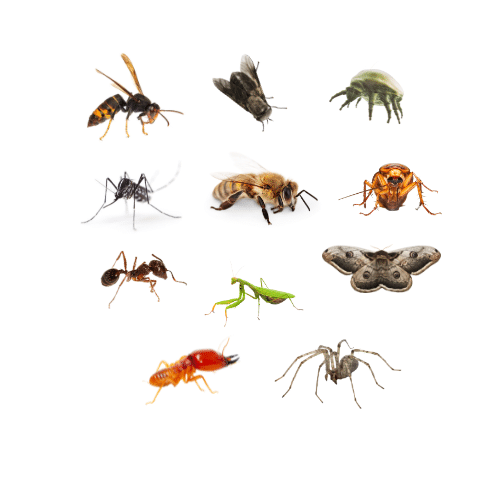
With the arrival of spring and summer, rising temperatures encourage the activity of numerous livestock pests.
Flies, mosquitoes, mites, lice, fleas, ticks and rodents can affect livestock facilities and animal welfare.
Prevention, cleaning and the selection of suitable products are essential for keeping livestock premises in good condition.
Correctly identifying livestock pests makes it possible to choose the most appropriate control measures and reduce risks to animals and people.
The presence of insects and parasites can cause stress in animals, make daily livestock management more difficult and compromise hygiene and sanitary conditions.
A preventive strategy combines regular cleaning, the removal of organic matter, humidity control and inspections of areas where pests may shelter or reproduce.
To control livestock pests and insects in these facilities, an insecticide intended for livestock premises may be considered, provided that the intended use is covered by the product’s relevant instructions and authorisations.
Livestock pests requiring particular attention include ants, fleas, ticks and various insects associated with organic waste.
Each pest has specific characteristics and risks, so it is important to identify it before selecting a control method.
In addition to parasites that directly affect animals, livestock farms may also be affected by insects originating from gardens, crops and damp areas.
Identifying the species is essential to avoid unnecessary treatments and select the most appropriate livestock pest control method.
Poultry farms require particular attention because litter, nests, cracks and organic waste can encourage the proliferation of insects and mites.
When a red mite infestation is detected, particular attention should be paid to areas where the parasite hides. For this specific problem, a product for eliminating poultry red mites may be considered, always checking the applicable instructions for use in the facility.
The storage of grains, flour and animal feed can be affected by insects and mites that damage products and compromise their hygienic quality.
The most common pests include:
To prevent these infestations, it is essential to keep storage areas clean, inspect feed and grain, prevent spills and control humidity.
Early detection helps prevent a localised infestation from spreading to other products.
Good hygiene reduces the factors that encourage livestock pest infestations. Before disinfecting, it is important to remove dirt, dust, organic residues and deteriorated bedding.
Cleaning should be complemented by proper manure management, drain maintenance, crack repairs and the prevention of standing water.
In warehouses and silos, it is also essential to control humidity, clean up feed spills and inspect stored products regularly.
Disinfection does not replace cleaning and does not, by itself, guarantee the control of insects and mites. Each intervention must be adapted to the facility and the identified pest.
An integrated pest management programme combines preventive measures, regular inspections, species identification and corrective actions when necessary.
The main preventive measures include:
When a specific treatment is required, it is important to assess the product’s composition and authorised uses.
For example, a natural insecticide for pest control may be an option to consider depending on the pest and the environment, provided its technical data sheet covers the intended use.
Prevention and early detection help reduce infestations, protect animal welfare, preserve feed quality and maintain safe, clean and productive livestock facilities.

Eliminating ticks effectively and long-term is one of the main concerns in both rural and urban environments.

How to eliminate fleas effectively and long-term Fleas are one of the most common and troublesome pests in homes as well as in rural and urban environments. Their rapid reproduction, ability to hide in multiple surfaces, and the health risks they pose to both people and animals make eliminating them a priority. In this article, […]

Eliminate termites and eliminate woodworms

Guardian 2 Spare Parts for Maintenance and Repairs At Ahuyentando, you will find original Guardian 2 spare parts by Gepaval, including components designed for equipment maintenance, repairs and the replacement of worn parts. We offer a range of spare parts for the main mechanisms, adjustment systems, sealing components and accessories. Using compatible original parts allows […]

CAPADI Bird Scarer Repair Service Has your bird scarer stopped working? Do you need a repair or are you looking for CAPADI spare parts? At Ahuyentando, we help you restore your equipment to working order by inspecting it and replacing any components that need repairing or replacing. We repair CAPADI bird scarers even if you […]


